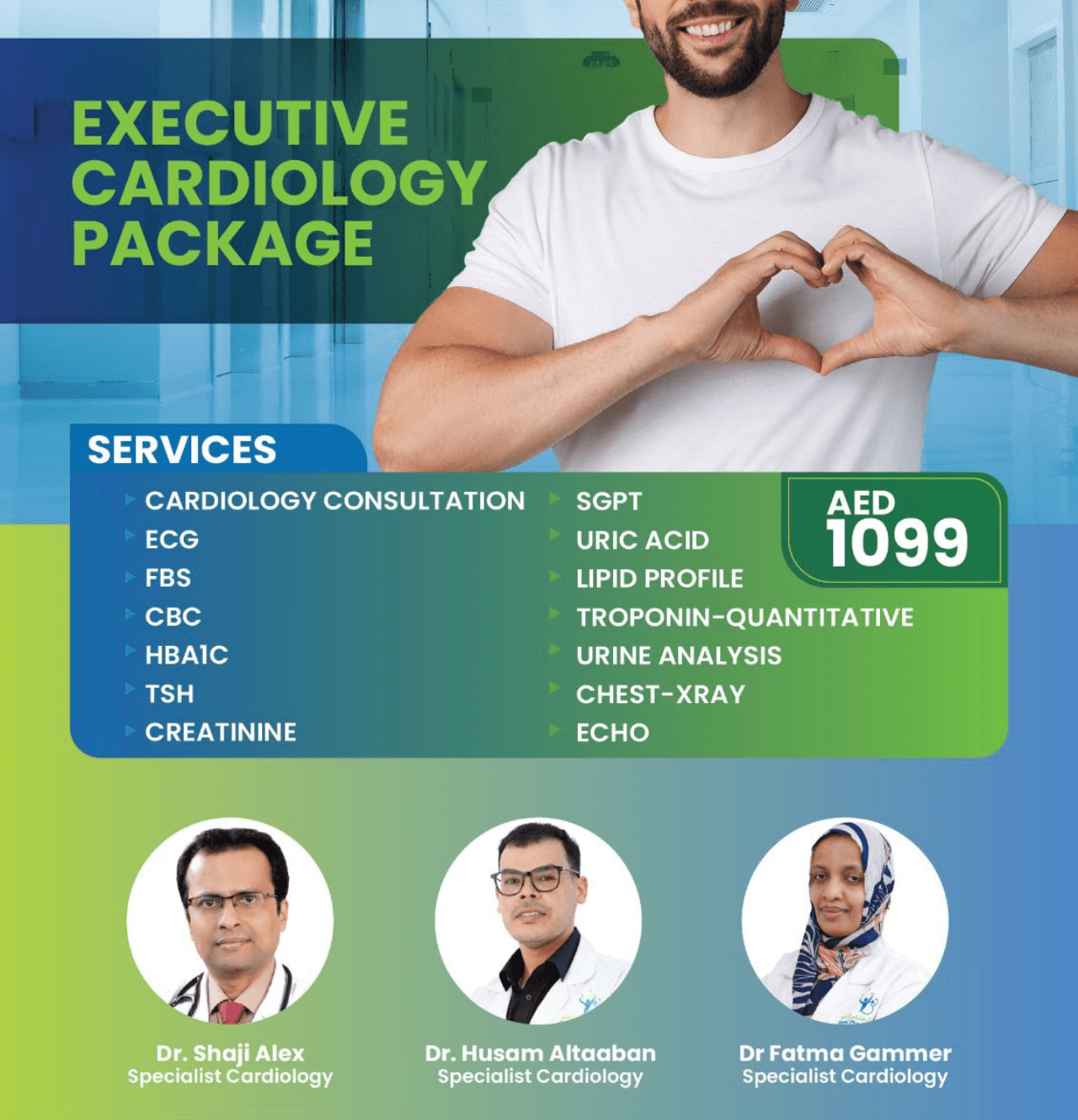
At Royal Phoenix Clinic, we understand the importance of heart health. Our Cardiology department is dedicated to providing personalized, preventive, and precise care for individuals at every stage of adult life. Whether you’re managing heart disease, recovering from a cardiac event, or seeking a preventive heart check-up, our team is here to guide you toward a healthier heart.
We combine advanced diagnostic tools, a patient-centered approach, and highly trained cardiologists to deliver expert care in a supportive environment.
Your heart is the engine of your body. It works continuously to pump oxygen-rich blood to your brain, organs, and tissues keeping you alive and active every second of the day.
Heart disease refers to any condition that affects the structure or function of the heart. While some individuals are born with congenital heart defects, most cardiac conditions develop gradually over time due to lifestyle factors, aging, stress, high blood pressure, diabetes, high cholesterol, or smoking.

In the UAE, cardiovascular disease remains one of the leading causes of death. Recent health data shows that heart disease accounts for approximately 36% of total mortality in the country, highlighting the importance of early detection, prevention, and expert medical care.
The good news? Many heart conditions can be managed and even prevented with timely screening, accurate diagnosis, and proper treatment.

A heart attack happens when blood flow to the heart muscle is suddenly blocked, preventing oxygen from reaching vital tissue. Recognizing the warning signs early is crucial, as heart muscle can be permanently damaged within minutes. While chest pain is the most common symptom, heart attacks can present differently in women, diabetic patients, or older adults. Immediate medical attention is essential if any of these signs appear.
Chest pain or discomfort – pressure, tightness, heaviness, or squeezing sensation
Pain radiating to other areas – arms (especially left), neck, jaw, back, or shoulders
Shortness of breath – with or without chest pain
Cold, clammy sweating
Nausea or vomiting
Dizziness or lightheadedness
Unusual fatigue – may occur days before a heart attack
Note: Women and people with diabetes may experience milder or atypical symptoms, such as indigestion-like discomfort, upper back pain, or extreme tiredness. Acting quickly and calling emergency services can save lives.
Early detection is key to managing heart disease effectively. At Royal Phoenix Clinic in Al Qusais, Dubai, our cardiology specialists use advanced diagnostic tools to accurately assess heart health and identify problems before they become serious. Diagnosis typically begins with a detailed medical history, physical examination, and specialized tests to evaluate heart function, rhythm, and blood flow.
Electrocardiogram (ECG):
Measures the electrical activity of the heart to detect irregularities
2D Echocardiography:
Uses ultrasound to visualize heart chambers, valves, and blood flow
Exercise Stress Test (TMT):
Assesses heart performance under physical stress
Tissue Doppler Studies:
Evaluates the movement and function of heart muscle
Transesophageal Echocardiography (TEE):
Provides detailed imaging of heart structures
Once a diagnosis is made, treatment plans are personalized based on the type and severity of the heart condition. Treatment may involve lifestyle modifications, medications, or advanced procedures, all aimed at improving heart function, relieving symptoms, and preventing complications.
Heart problems can often be managed effectively with the right care. Our cardiologists offer personalized treatment plans including lifestyle changes, medications, minimally invasive procedures, and surgery.
Lifestyle Changes:
Healthy diet, exercise, stress management, quitting smoking
Medications:
Control blood pressure, cholesterol, arrhythmias, and prevent blood clots
Procedures & Surgery:
Angioplasty, stents, valve repair, or bypass surgery
Follow-Up & Monitoring:
Regular check-ups to track heart health and prevent complications
Early care and proper management can help keep your heart strong and healthy.
You should consult a cardiologist if you:
Early evaluation is key to preventing serious complications.
At Royal Phoenix Clinic in Al Qusais, Dubai, we take a patient-centered approach to heart health. Our experienced cardiologists combine advanced diagnostic tools with personalized treatment plans to ensure the best outcomes. We focus on early detection, accurate diagnosis, and effective management of all heart conditions.
Comprehensive Evaluation:
Detailed history, physical examination, and advanced heart tests
Personalized Treatment:
Tailored plans including lifestyle guidance, medications, or procedures
Preventive Care:
Focus on early detection and risk reduction for long-term heart health
Continuous Support:
Follow-ups and monitoring to track progress and adjust treatment
Our goal is to provide compassionate, expert care that keeps your heart strong and your life active.